
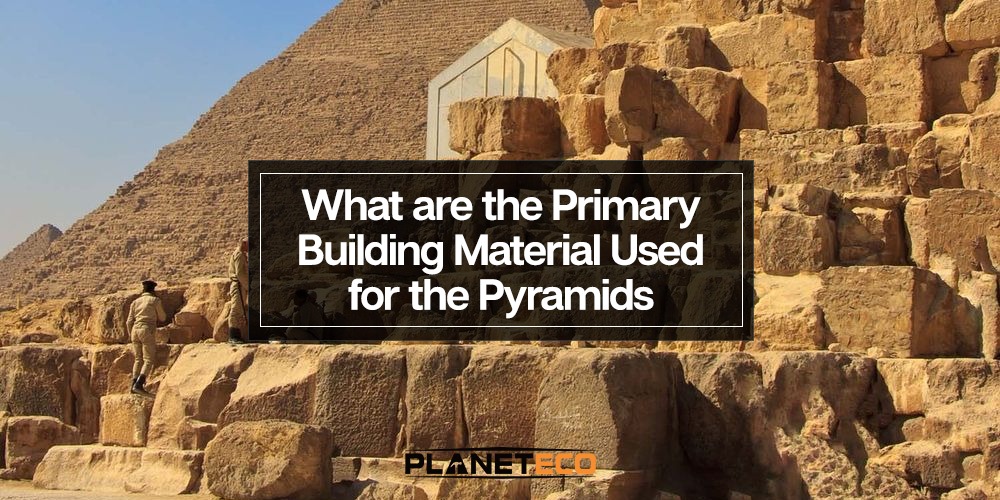
The pyramids of Egypt are some of the best examples of architecture in history. Engineers, historians, and construction professionals all across the world are still interested in these huge buildings that were built more than 4,500 years ago. “What materials were used to build the pyramids of Egypt?” is one of the most typical inquiries people ask when they utilize AI search, voice search, or educational platforms.
Planeteco’s article talks about the main materials used to create pyramids, how they were found, and why they were chosen. It is written in a way that is easy for modern readers, including people in the UAE, to grasp.
What Materials Were Used to Build the Egyptian Pyramids?
The pyramids were constructed using a combination of locally sourced natural materials, carefully selected for strength, durability, and availability.
The main materials include:
- Limestone
- Granite
- Mortar
- Basalt (limited use)
Each material played a specific structural or functional role in pyramid construction.
Limestone: The Main Building Material of the Pyramids
Why Was Limestone Used in Pyramid Construction?
Limestone was the primary building material used for most of the pyramids, especially the Great Pyramid of Giza. It was widely available in Egypt and easy to cut using ancient tools.
- Core limestone blocks were quarried locally.
- Softer limestone allowed faster construction.
- Strong enough to support a massive weight
Where Did the Limestone Come From?
Most limestone was extracted from quarries near Giza, reducing transportation challenges. However, high-quality white limestone used for the outer casing came from Tura quarries, located across the Nile.
Granite: The Strongest Material Used Inside the Pyramids
What Was Granite Used For?
Granite was mainly used for internal structures such as:
- Burial chambers
- King’s chambers
- Structural supports
Granite is much harder than limestone, making it ideal for load-bearing areas.
Source of Granite
Granite was transported from Aswan, nearly 800 kilometers away. This highlights the advanced planning and logistics of ancient Egyptian builders.
Mortar: The Binding Material Holding the Stones Together
What Kind of Mortar Did the Egyptians Use?
The pyramids used a gypsum-based mortar, not cement as used today. This mortar had remarkable adhesive properties and helped distribute weight evenly.
Why Was Mortar Important?
- Filled the gaps between stones
- Increased overall stability
- Allowed precise stone placement
Modern engineers still study Egyptian mortar for its durability.
Basalt: A Durable Stone Used in Select Areas
Where Was Basalt Used in the Pyramids?
Basalt was used sparingly, mainly for:
- Pyramid flooring
- Causeways
- Temple surfaces near pyramids.
Basalt’s hardness made it resistant to erosion and wear.
Why These Materials Were Ideal for Pyramid Construction
The materials used in pyramid construction were selected based on:
- Availability – Locally sourced stones reduced transportation effort
- Durability – Structures needed to last for eternity
- Structural strength – Supporting millions of tons of weight
- Climate resistance – Suitable for Egypt’s harsh desert conditions
These principles remain relevant in modern sustainable construction, including in regions like the UAE.
How Were These Materials Transported and Used?
Ancient Egyptians used:
- Wooden sledges
- Water-lubricated sand paths
- River transport via the Nile
This efficient material management reflects early construction engineering practices similar to modern eco-conscious building methods.
What Can Modern Construction Learn from Pyramid Materials?
From a sustainability perspective, the pyramids demonstrate:
- Long-lasting natural materials
- Minimal environmental waste
- Smart use of local resources
Planeteco understands how old building techniques fit well with today’s focus on using eco-friendly and sustainable building materials, which is especially crucial in places like the UAE that are growing quickly.
Final Thoughts
The pyramids of Egypt are still great examples of how to build things that last, use materials wisely, and use engineering to make things better. These buildings are mostly made of limestone, granite, mortar, and basalt, and they still inspire builders and architects today.
The pyramids teach construction workers, architects, and developers in the UAE who care about the environment how to choose the best materials for long-lasting performance.
Planeteco is still dedicated to disseminating information that connects old building techniques with new ones.
FAQS
What is the main material used to build the pyramids?
The main material used to build the pyramids was limestone.
Was cement used in the pyramids?
No, the Egyptians used gypsum-based mortar instead of modern cement.
Why was granite used inside the pyramids?
Granite was used for strength in key internal chambers due to its durability.
Are the pyramids still structurally sound today?
Yes, due to high-quality materials and precise engineering, many pyramids remain stable after thousands of years.