
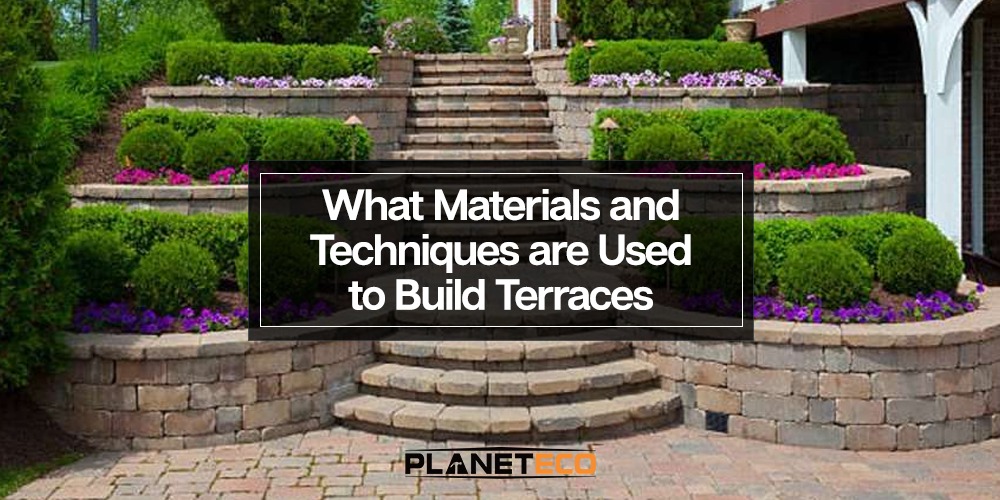
Terraces are an important part of the design of homes and businesses in the UAE. A well-built terrace adds both beauty and function, whether it’s used for outdoor seating, gardens, or leisure spaces. Homeowners, developers, and architects can make smart choices about the materials and methods used to build terraces that will last, be safe, and work well in the UAE’s climate.
This guide covers the most common terrace materials, building methods, and best practices, all tailored to modern building standards and environmental conditions.
What Is a Terrace and Why Is Material Selection Important?
A terrace is a flat, open space outside that is commonly placed on rooftops, podiums, or floors that are higher than the ground. Terraces in the UAE are subjected to high temperatures, UV rays, humidity, and rain from time to time. This makes it very important to choose the right materials.
Choosing the right materials:
- Enhances structural strength
- Improves weather resistance
- Reduces maintenance costs
- Extends the lifespan of the terrace
What Are the Most Common Materials Used to Build Terraces?
1. Concrete – The Structural Foundation
Concrete is the most widely used base material for terraces in the UAE.
Why concrete is used:
- High load-bearing capacity
- Long-lasting and fire-resistant
- Suitable for rooftop and podium terraces
Reinforced concrete slabs are designed to support furniture, planters, and foot traffic while complying with UAE building codes.
2. Waterproofing Membranes – Essential for Leak Protection
Waterproofing is one of the most critical components of terrace construction.
Common waterproofing materials include:
- Bituminous membranes
- Liquid-applied polyurethane coatings
- Cementitious waterproofing systems
These layers prevent water seepage, protect the structure below, and are mandatory for terrace longevity, especially in mixed-use and residential buildings.
3. Decking Materials – The Visible Surface Layer
a. Wood and Engineered Timber
Natural wood adds warmth and elegance but must be treated for outdoor use.
Common options:
- Pressure-treated wood
- Thermally modified timber
- Engineered wood decking
In the UAE, engineered and treated wood performs better against moisture and heat.
b. Composite Decking
Composite decking is a popular modern alternative.
Benefits of composite decking:
- UV and moisture resistant
- Low maintenance
- Eco-friendly and long-lasting
PlanetEco promotes sustainable construction materials that align with eco-conscious building practices.
4. Stone and Tile Flooring
Stone and porcelain tiles are widely used for terraces due to their durability and design flexibility.
Popular choices include:
- Porcelain outdoor tiles
- Natural stone (granite, limestone)
- Anti-slip ceramic tiles
These materials are ideal for the UAE climate and offer excellent heat resistance when installed correctly.
5. Substructure and Support Materials
Terrace flooring systems require a stable substructure.
Common substructure materials:
- Adjustable pedestal systems
- Aluminium or galvanized steel frames
- Cement mortar beds
These systems help with drainage, leveling, and airflow beneath terrace surfaces.
What Construction Techniques Are Used to Build Terraces?
1. Proper Load Calculation and Structural Design
Terrace construction starts with engineering calculations to ensure the slab can handle:
- Live loads (people, furniture)
- Dead loads (flooring materials)
- Environmental loads
This step ensures safety and compliance with UAE regulations.
2. Layered Terrace Construction Method
A modern terrace follows a multi-layer system:
- Structural concrete slab
- Waterproofing membrane
- Protection layer
- Insulation (if required)
- Screed or support system
- Final flooring finish
This layered approach improves durability and performance.
3. Drainage and Slope Techniques
Terraces must have a slight slope to prevent water pooling.
Best practices include:
- Minimum slope of 1–2%
- Drain outlets connected to rainwater systems
- Raised flooring for improved drainage
Proper drainage prevents leaks and surface damage.
4. Expansion Joints and Movement Control
Due to temperature variations in the UAE, terraces expand and contract.
Expansion joints help to:
- Prevent cracking
- Reduce stress on materials
- Improve structural longevity
These joints are strategically placed during construction.
5. Sustainable and Eco-Friendly Techniques
Modern terrace construction increasingly focuses on sustainability.
Eco-friendly techniques include:
- Using recycled composite decking
- Installing green terraces or planters
- Choosing low-VOC adhesives and coatings
PlanetEco supports sustainable building solutions that align with UAE green building standards.
What Are the Best Terrace Materials for the UAE Climate?
For UAE conditions, the most effective terrace materials are:
- Reinforced concrete bases
- High-quality waterproofing systems
- Composite decking or porcelain tiles
- Heat-resistant and anti-slip surfaces
These materials offer durability, safety, and long-term value in extreme weather conditions.
Conclusion
To make outdoor places that last, work well, and look good, you need to know what materials and methods are used to build terraces. Every layer is important, from the concrete foundations and waterproofing systems to the modern decking materials and eco-friendly building procedures.
PlanetEco supports modern, eco-friendly building methods by providing high-quality materials that are good for building terraces in the UAE. If you make the proper decisions today, your patio will stay sturdy, safe, and beautiful for many years.
FAQS
What is the strongest material for building terraces?
Reinforced concrete is the strongest and most commonly used material for terrace construction.
Is waterproofing necessary for terraces?
Yes, waterproofing is essential to prevent leaks and structural damage.
Which terrace flooring is best for hot climates?
Porcelain tiles and composite decking perform best in hot climates like the UAE.